
Does Medicare Cover CGM? A Simple Guide to Coverage
Quick answer: Yes, Medicare Part B covers continuous glucose monitors (CGMs) for eligible people with diabetes. You may qualify if you use insulin or have a documented history of problematic low blood sugar. Your doctor must prescribe the device and confirm your eligibility. Medicare generally covers 80% of approved costs after the Part B deductible.
Living with diabetes means being aware of your blood sugar even when life gets busy. You can test your levels before breakfast, after a walk or before going to bed. For some people, these regular checks become tiring, especially if glucose levels change unexpectedly.
A continuous glucose monitor can help by showing how glucose levels change throughout the day. Instead of relying on individual fingerprick tests, you can look at trends and discuss them with your doctor. But one important question comes before you purchase a device: is there Medicare coverage for continuous glucose monitors? The good news is that Medicare covers eligible individuals. Knowing who qualifies, what Medicare covers and how to get a device can help you avoid extra costs.
Key Takeaways
Covered under Part B
Qualifying CGMs are durable medical equipment, and Medicare generally pays 80% after the deductible.
Insulin is not the only path
You may qualify with a history of problematic low blood sugar, even without insulin.
Your doctor must prescribe it
Documentation and follow-up visits every six months keep coverage active.
What Is a Continuous Glucose Monitor (CGM) and How Does It Work?
A continuous glucose monitor is a small device that measures glucose levels over the course of the day and night. A small sensor is placed under your skin, usually on your arm or belly. It reads the glucose in the fluid around your body’s cells and sends the readings to a compatible display device.
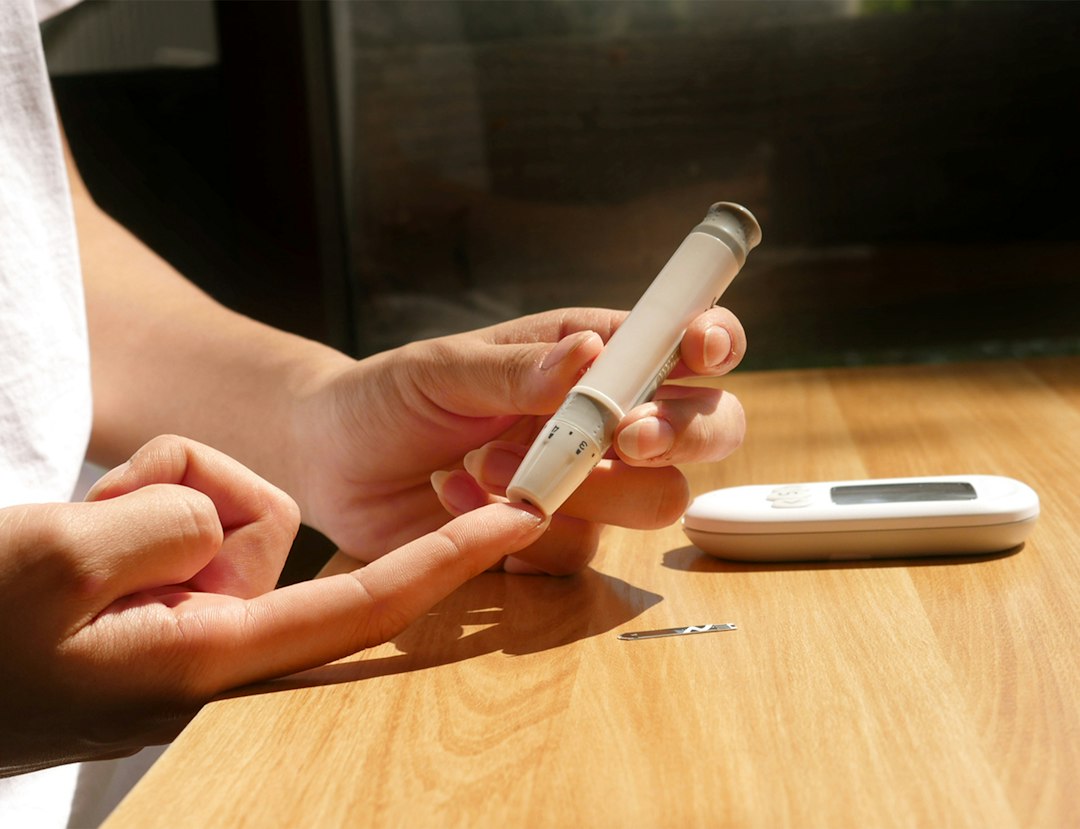
Depending on the model, you can see your readings on a receiver, smartphone or compatible insulin pump. Some monitors also alert you when your glucose is too high or too low, which can help explain why blood sugar goes up and down after meals, exercise or overnight. A CGM makes monitoring easier, but you may still need occasional finger pricks. If you use traditional testing, see our guide to Medicare coverage for glucose test strips and lancets.
Is Original Medicare Coverage Available for Continuous Glucose Monitors?
Yes. Under Original Medicare, Part B covers qualifying continuous glucose monitors, which Medicare classifies as durable medical equipment (DME). Coverage can extend to the monitoring device and the supplies needed for continued use, such as replacement sensors.
But not every device, and not every person with diabetes, is automatically approved. Your provider must determine that ongoing monitoring is appropriate and document that you meet Medicare’s coverage requirements. Also choose a medical equipment supplier that is enrolled in Medicare.
Who Is Eligible for a Continuous Glucose Monitor Under Medicare?
Not everyone with diabetes needs to be monitored the same way, so Medicare looks at specific medical needs. You may qualify if you meet the following:
You have a diabetes diagnosis
People with Type 1 or Type 2 diabetes can be eligible if they meet the remaining requirements.
You take insulin or have low blood sugar problems
Insulin use may qualify you. You might also be eligible without insulin if your records show a history of problematic hypoglycemia, such as repeated very low readings after treatment changes or a serious episode requiring help from another person.
Your doctor prescribes the CGM
Your provider must prescribe a CGM that is right for you and make sure you or your caregiver can use it properly.
You attend required appointments
Your provider must have evaluated your diabetes control within the past 6 months, and you typically need a follow-up visit every six months to keep coverage active.
Does Medicare Cover CGMs for Type 2 Diabetes Not Using Insulin?
This is a common concern, especially among people managing Type 2 diabetes with tablets, diet and lifestyle changes. In some cases, yes. Medicare changed its coverage rules in 2023, so you no longer need to be on insulin to qualify. If you have documented problematic hypoglycemia, your doctor may decide ongoing monitoring is appropriate.
A Type 2 diagnosis is no guarantee of approval, though. Your medical history and treatment needs must meet Medicare requirements. For a closer look, read Does Medicare cover CGM for Type 2 diabetes?
How Much Will Medicare Pay for a Continuous Glucose Monitor?
With Original Medicare, Part B usually pays 80% of the Medicare-approved amount after you pay your yearly deductible, as long as your supplier accepts assignment. You usually pay the other 20%. If your approved amount is $200, your coinsurance would generally be $40 after you meet the deductible. Actual costs vary depending on your equipment, supplier and any other insurance.
A Medicare Supplement plan can help pay some costs Original Medicare doesn’t cover. Before ordering, check the total cost, including replacement supplies, with your supplier.
Does Medicare Advantage Cover Continuous Glucose Monitors?
Yes, but the rules and costs may be different. Medicare Advantage plans must cover all medically necessary services and supplies covered under Original Medicare. Your plan might require you to use a particular supplier or to get prior authorization, and copayments and coinsurance can vary.
Arizona residents can compare Medicare Advantage plans and learn more about what’s covered for diabetes equipment, doctor visits and prescription medications. Always check your plan’s benefits before purchasing equipment.
Which CGMs Does Medicare Cover?
Some well-known CGM systems, including certain Dexcom and FreeStyle Libre models, can be covered by Medicare. But not every device automatically qualifies. Coverage depends on the prescribed model, the qualifying equipment configuration and your medical eligibility. If your doctor recommends a specific monitor, ask whether Medicare covers it before ordering. Your medical supply vendor can also tell you which devices are covered under your plan.
How to Get a Continuous Glucose Monitor With Medicare
- Consult your physician. Talk about your glucose monitoring needs and any issues with blood sugar control.
- Check your eligibility. Your doctor will look at your diagnosis, treatment and history of low glucose episodes.
- Obtain a prescription. If you qualify, your provider can prescribe a qualifying monitor.
- Contact an approved vendor. Make sure the supplier participates in Medicare and accepts assignment.
- Examine your costs. Ask about deductibles, coinsurance and replacement sensors.
- Keep your follow-up appointments. Regular reviews keep you eligible for ongoing supplies.
These steps can help prevent delays and billing issues. Diabetes care also includes insulin and self-management training, so review those benefits too.
Find Medicare Coverage That Helps Pay for Your Diabetes Care
Handling diabetes is already a daily responsibility. It shouldn’t make your insurance harder to understand. Affordable Health Insurance assists Arizona residents in comparing Medicare Advantage and Medicare Supplement plans according to their healthcare needs and budgets. There is no obligation to request a review.
Frequently Asked Questions
Will Medicare cover continuous glucose monitors in 2026?
Are Dexcom and FreeStyle Libre covered by Medicare?
Can I use a CGM if I don’t take insulin?
Do replacement sensors fall under Medicare?
Will Medicare Supplement Insurance cover CGM costs?
Can Medicare deny coverage for a CGM?
Keep Reading
Insurance information is general and is not legal, tax or medical advice. Plan availability, costs, benefits and eligibility depend on individual facts, location and current Medicare rules. Always confirm details with your plan and healthcare provider.