
Does Medicare Cover CGM for Type 2 Diabetes?
Quick answer: Yes, Medicare Part B covers continuous glucose monitors (CGMs) for eligible people with Type 2 diabetes. You may qualify if you use insulin or have a documented history of problematic low blood sugar. Your healthcare provider must prescribe the device. After you meet the Part B deductible, Medicare generally pays 80% of the approved cost and you are responsible for 20%.
Living with Type 2 diabetes means checking your blood sugar even when you feel perfectly fine. For some people, that means several tests a day. Some people dislike finger sticks and don’t understand why their numbers keep changing. This is where a continuous glucose monitor (CGM) can help: instead of the occasional test, it gives you updates around the clock. But these devices and their replacement sensors can be expensive.
So, will Medicare cover a CGM for Type 2 diabetes? Yes, if you meet certain conditions. At Affordable Health Insurance, we help Arizona residents understand their Medicare coverage options. Here is what to know about CGM coverage, eligibility, costs and how to get a device. For a broader overview, see Does Medicare cover CGM?
Key Takeaways
Part B covers eligible CGMs
CGMs are durable medical equipment, with Medicare paying 80% after your deductible.
Insulin or low blood sugar
Qualify by taking insulin, even once daily, or by having a documented history of problematic low blood sugar.
Visits keep coverage active
An assessment within 6 months before the first order and follow-ups every 6 months are required.
What Is Continuous Glucose Monitoring?
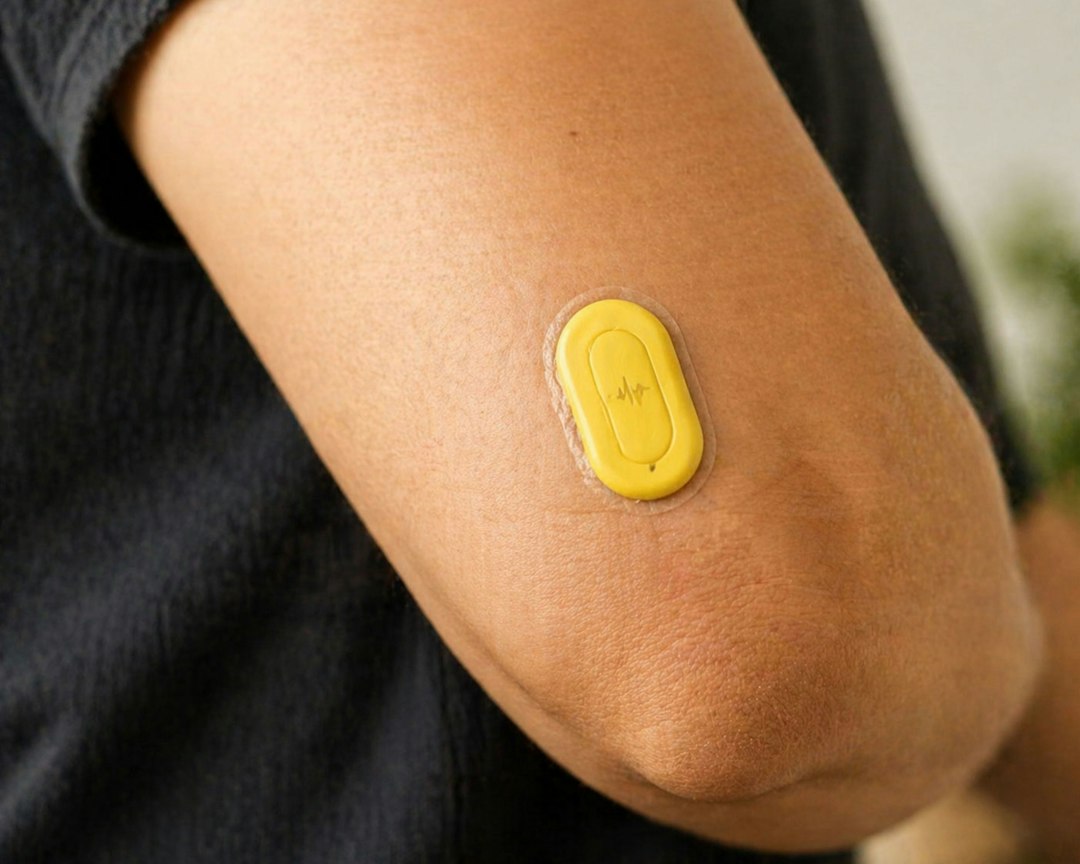
A continuous glucose monitor is a small device that helps you check your glucose levels all day and night. Most CGMs use a small sensor worn on your arm or another approved part of your body. The sensor reads the glucose in the fluid just under your skin and sends the results to a compatible receiver or smartphone. Depending on your device, you may be able to:
- Check your glucose without routine finger sticks.
- See whether your glucose is rising or falling.
- Get alerts if your glucose goes too high or too low.
- Share your glucose data with your health care practitioner.
- Learn how meals, activity and medications affect your readings.
A CGM is not a total replacement for traditional testing. You may sometimes still need a finger-stick check. See Medicare coverage for test strips and lancets.
Does Medicare Part B Cover a CGM for Type 2 Diabetes?
Yes. Certain eligible continuous glucose monitors are covered as a durable medical equipment (DME) benefit through Medicare Part B. Coverage generally includes the approved monitoring equipment and the supplies needed to use it. But having Type 2 diabetes doesn’t automatically make you a candidate for a CGM.
Medicare requires a prescription from your health care provider and a medical need. The device must also meet Medicare’s coverage criteria and be prescribed for FDA-approved indications. If you are eligible, Medicare may cover CGM equipment and ongoing supplies.
Who Is Eligible for a CGM With Medicare?
In 2023, Medicare expanded its CGM criteria, giving more people with diabetes access to these devices. If you are diagnosed with Type 2 diabetes, you may qualify if you meet the following:
You take insulin
You don’t need multiple daily doses. People who take insulin once a day may also qualify if they meet the other criteria.
You’ve had problematic low blood sugar
Some people have very low blood sugar even without insulin. Repeated readings below 54 mg/dL despite therapy changes, or a serious episode needing another person’s help, may qualify you.
Your provider prescribes the CGM
Talk to your doctor about whether a CGM suits your needs. You or your caregiver must be trained to use it correctly.
Can You Get a CGM Without Taking Insulin?
Yes, but there are additional requirements. You don’t have to be on insulin to qualify. For instance, someone with Type 2 diabetes taking oral medication may have repeated episodes of dangerously low blood sugar, and if those episodes meet Medicare’s medical criteria, they might be eligible.
Generally, though, people who don’t use insulin and don’t have a qualifying history of problematic hypoglycemia won’t meet Medicare’s standard coverage requirements. If you’re unsure, discuss your medical history with your health care provider.
How Much Does Medicare Pay for a CGM?
With Original Medicare, Part B typically pays about 80% of the Medicare-approved amount once you meet your yearly deductible, and you usually pay the other 20%. For example, if Medicare approves $200 for covered CGM equipment and supplies, Medicare usually pays $160 and you pay $40. This assumes you’ve met your Part B deductible and your supplier accepts assignment. Actual costs depend on the equipment, the supplier and any additional insurance.
Certain Medicare Supplement Insurance policies can help pay some costs that Original Medicare doesn’t cover.
Is a CGM Covered by Medicare Advantage for Type 2 Diabetes?
Yes. Medicare Advantage plans must cover the medically necessary benefits Original Medicare covers, including eligible CGM equipment. But your plan may have different rules about where you get the equipment and how much you pay. For example, you may need to use a plan-approved medical equipment supplier, and your copayment or coinsurance may differ from Original Medicare.
If you’re in an Arizona Medicare Advantage plan, verify your plan’s coverage before ordering a CGM. Browse Medicare Advantage plans in Arizona to see which fit your health care needs and budget.
Which CGMs Does Medicare Cover?
Medicare covers qualifying CGM systems that meet its equipment and medical-necessity criteria. Popular systems include Dexcom and FreeStyle Libre, but the amount covered depends on the model, intended use, your medical eligibility and the supplier. Not every CGM you buy online or at a pharmacy is eligible for Medicare reimbursement. Talk to your healthcare provider before choosing a device, and check that your supplier can bill Medicare for the equipment.
How to Get a CGM With Medicare
- Consult your health care provider. Discuss how you currently manage your Type 2 diabetes and any problems with blood glucose monitoring.
- Check your eligibility. Your provider will review your insulin use, history of low blood sugar and other Medicare requirements.
- Get a prescription. If a CGM is right for you, your provider can prescribe the device and document the medical need.
- Find a Medicare-approved supplier. Ask whether the supplier accepts Medicare assignment.
- Visit your doctor. Medicare requires an assessment within 6 months before the first order and follow-up visits every 6 months to document continued use and treatment needs.
Keeping these appointments helps you keep your coverage. Also see Medicare insulin coverage.
Why Medicare Coverage Matters for Type 2 Diabetes
Glucose monitoring is just part of managing Type 2 diabetes. You may also need prescription medications, regular doctor visits, lab tests, eye exams and foot care, and without enough coverage those costs can be hard to bear. That’s why it’s important to review your Medicare coverage.
Affordable Health Insurance helps Arizona residents learn more about Medicare Advantage and other coverage options, so you can make good choices about your ongoing diabetes care.
How Affordable Health Insurance Can Help
A licensed agent can review your doctors, devices, prescriptions and budget, then explain the Medicare plans available in your area in plain language. There is no obligation to request a review.
Frequently Asked Questions
Does Medicare cover a CGM for Type 2 diabetes if I don’t use insulin?
Does Medicare pay for Dexcom for Type 2 diabetes?
Does Medicare cover FreeStyle Libre for Type 2 diabetes?
Will Medicare pay the full cost of a continuous glucose monitor?
Keep Reading
Insurance information is general and is not legal, tax or medical advice. Plan availability, costs, benefits and eligibility depend on individual facts, location and current Medicare rules. Always confirm details with your plan and healthcare provider.